stable vs unstable equilibrium
and a bit about june and july

equilibrium is worth pursuing. we see the most when we’re in equilibrium, not blinded by the state of motion. when increasing speed, our field of vision progressively narrows. to see more is to see the full table of options and to be the decision maker of what’s for dinner. no one likes an all you can eat buffet with only one option.
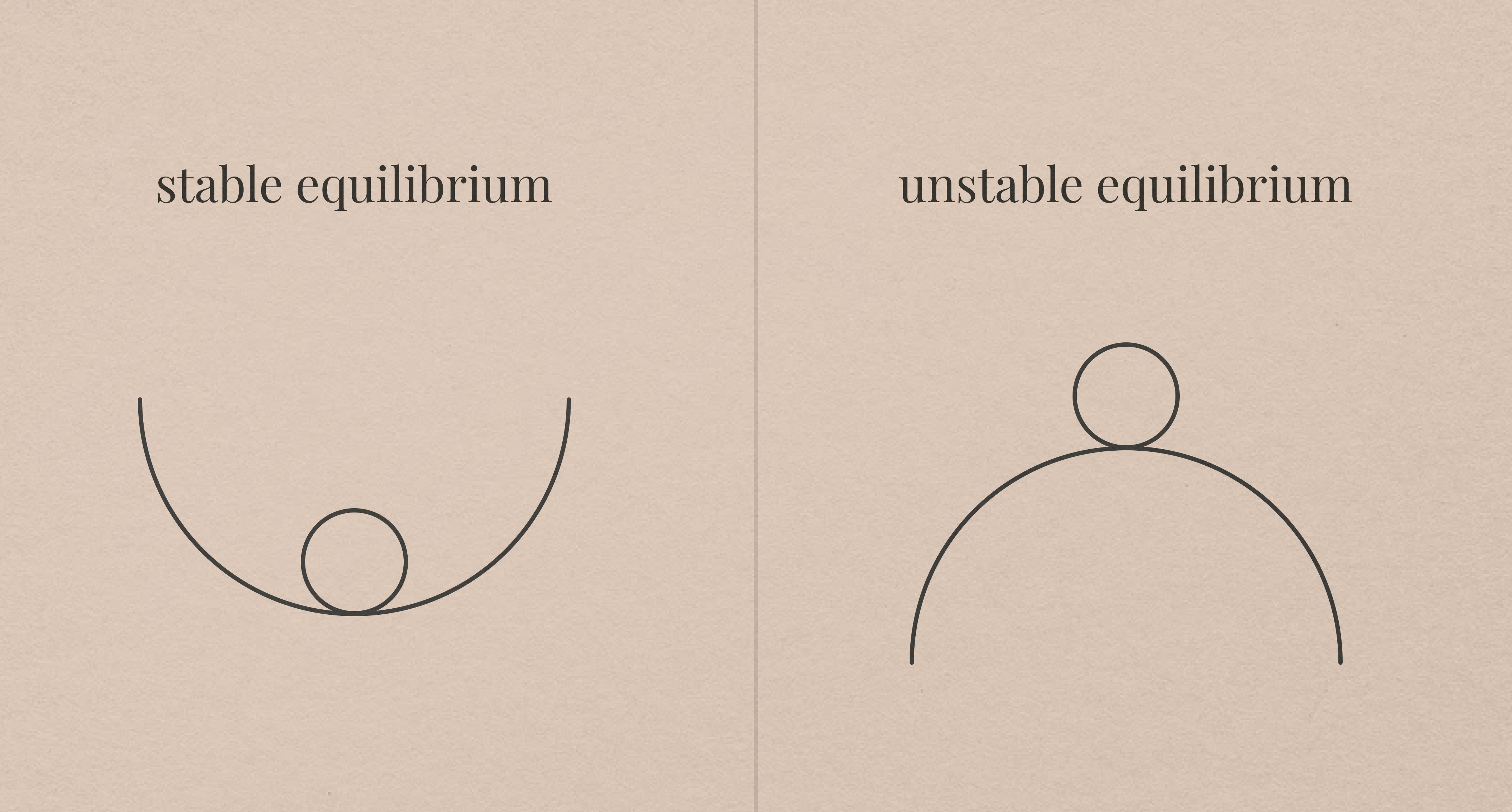
in this mental model, motion isn’t desirable. motion is the byproduct of chaos. those curveballs will always find its way to the first piece of a domino chain. similarly, a small displacement to a ball on a peak is all it takes to start tumbling. the problem comes first, the action comes next, and the window of opportunity is small before the ball’s velocity is beyond reach.
how might we make ourselves immune to instability? while acceptance and state of mind are powerful tools, systems thinking applied to like is one i’d like to write about. specifically, how different aspects of life relate to or depend on one another.
the way i like to think about this is to look at the start and the finish line. at the start line, i have two things: decision-making skills and resources. at the finish line, i aim for fulfillment and happiness. from there, i like to visualize how i can best translate my starting points into the finish line.
for example, i optimize my resources (time + money) to improve my physical and mental health. this is a top priority for me because many important things depend on my health. notably, work, social life, and family. for work, i need to be physically healthy to commute and to be mentally healthy to do my best work. for my social life and family, i need to be mentally healthy to show up and physically healthy so my mom doesn’t nag me about my health and whether i got good sleep. and if all of these go well, then they positively feed back into my mental health.
so what does stable equilibrium look like as opposed to an unstable one? for one, problems are solved with time and low effort, not with reactivity. for example, even the strongest of immune systems will catch a cold. if the widespread consequences of a regular cold are disastrous, it’s probably a state of unstable equilibrium like the first piece of a long domino chain. what about a negative interaction? those bubble bursters can flip our lens of the world upside down in seconds.
stable equilibrium is a north star, not a tangible goal. i’ve been more aware of the pitfalls that disrupt the rhythm of life and have been more systematic at addressing them. for example:
bad mental state: workout + journal + time with close friends
injured: play music
work gets crazy: borrow time from social + ask for help from coworkers
social conflicts: mental health + hard conversations
injured + can’t play music: park walks + friends + retail therapy
etc.
a lot of my life hinges on being physically healthy and being able to play music. the one time when i couldn’t do either was when i felt a sense of unstable equilibrium and this was when i broke my hand and lived far from parks.
life systems look different for everyone and we’ve all thought about it in some way. what’s most important is to know what can go wrong and what the plan is and having confidence in that plan. having this system figured out has given me peace of mind for tackling the day to days of life.
—
my time since early june has been unusual due to outlier events. to start off small, i caught a cold, i got my first high engagement twitter post, and i stopped by some daisies to take photos and soak in their colors. the thing i love about the saying “planning is invaluable, plans are useless” is the flexibility for spontaneity. none of these baby outlier events disrupted my non-existent plans. instead, i trust that the system will do its work.
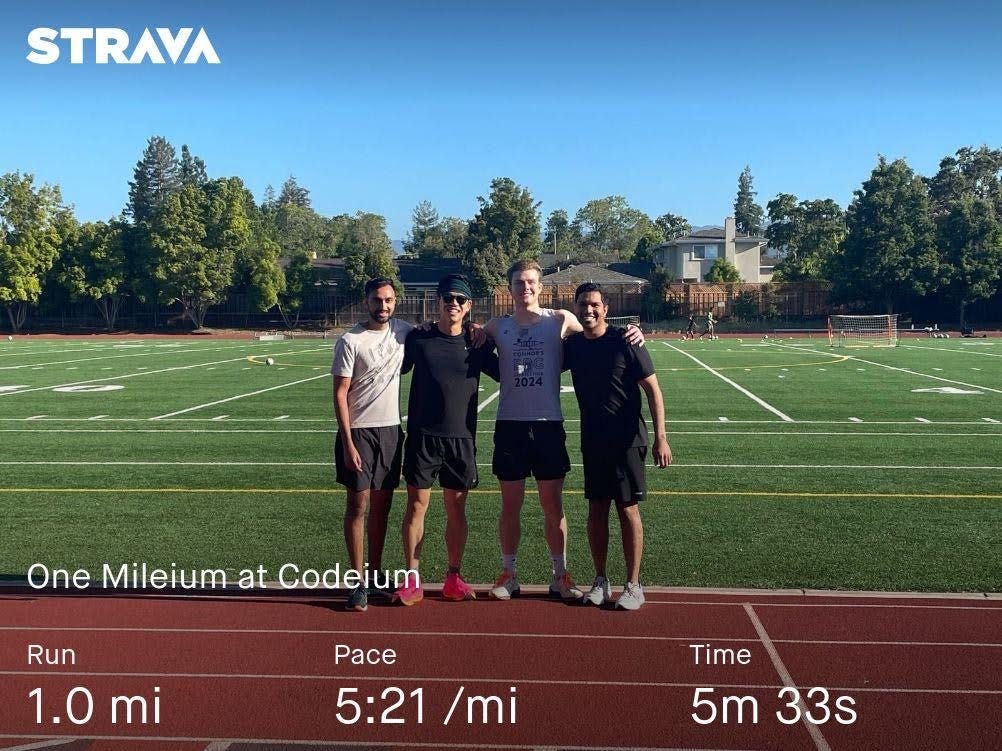
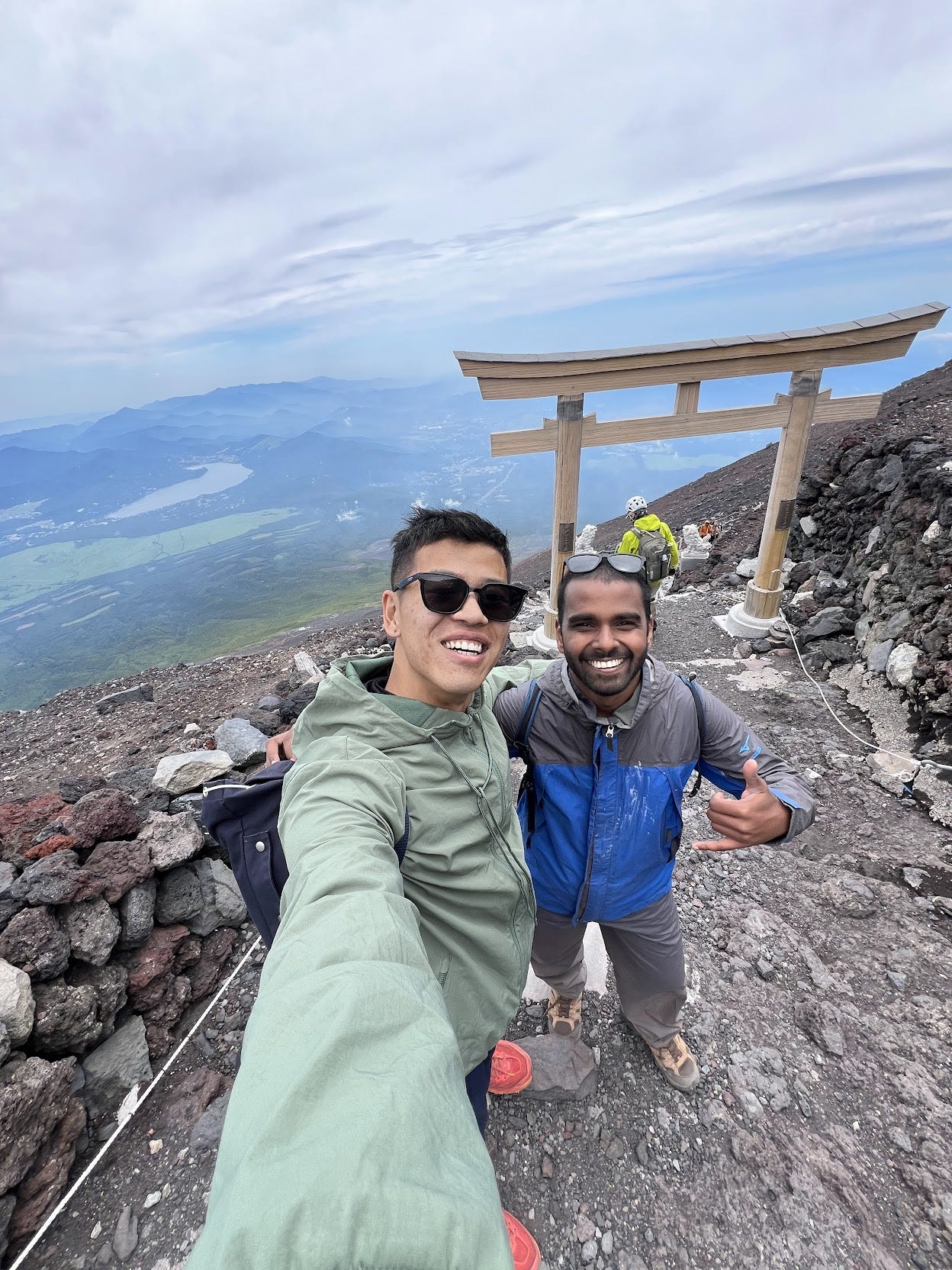
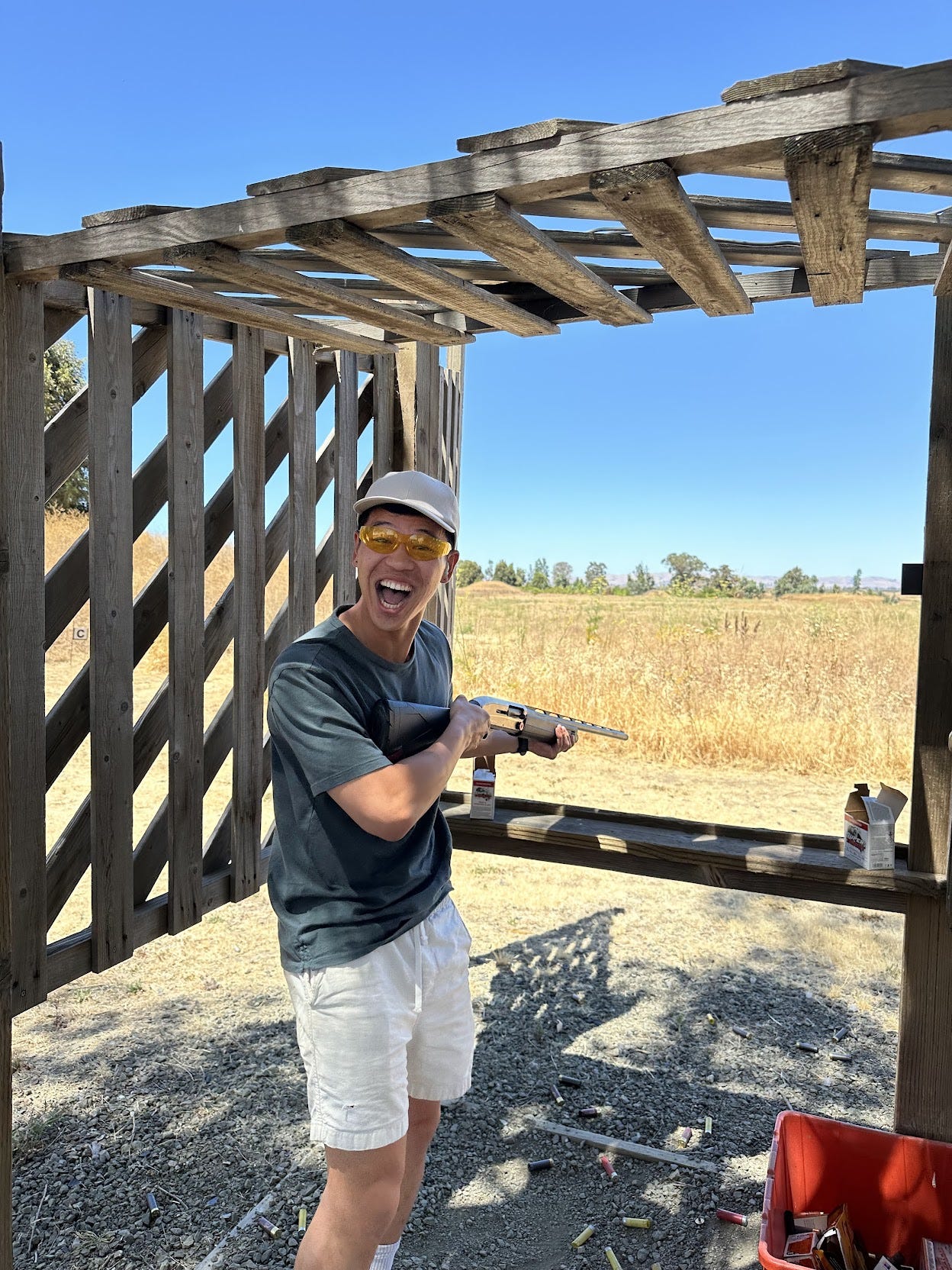
some of the more intense outlier events include running a race against my intern (and losing by a few seconds) in front of our entire company, an accidental and highly intense psychedelic experience, publicly sharing visual work, shooting a shotgun for the first time and hiking mount fuji while fighting altitude sickness. it feels like a lot of life in the last month and a half. i’d like to think that the psychological safety of a life system has given me the impetus to explore outlier events.
the broader takeaway from the recent past was how important it is to gain trust in yourself. in youth, we frequently search for a silver bullet to solve life’s search for fulfillment. borrowing the the mental model above, it’s the search of a larger ball without changing the shape of the peak. if the pinnacle of fulfillment is to reach a certain “ball size”, then the first step should be the ability to support that size instead of increasing the ball size.
i’ve recently been increasing the size of the ball by pursuing larger endeavors. one such endeavor that’s made me nervous is the SF marathon that’s happening next weekend. i’ve spent the last few months carving out the right foundation so that my body can handle the challenge and i’ve appreciated the life lessons marathon training has taught me. although i’m far from what’s considered “fast”, i can’t help but feel proud for committing to the training and for saying yes to what my gut said maybe to.
if you’re around the finish line at the SF Marathon (and if i do finish!), come say hi!
some other highlights:
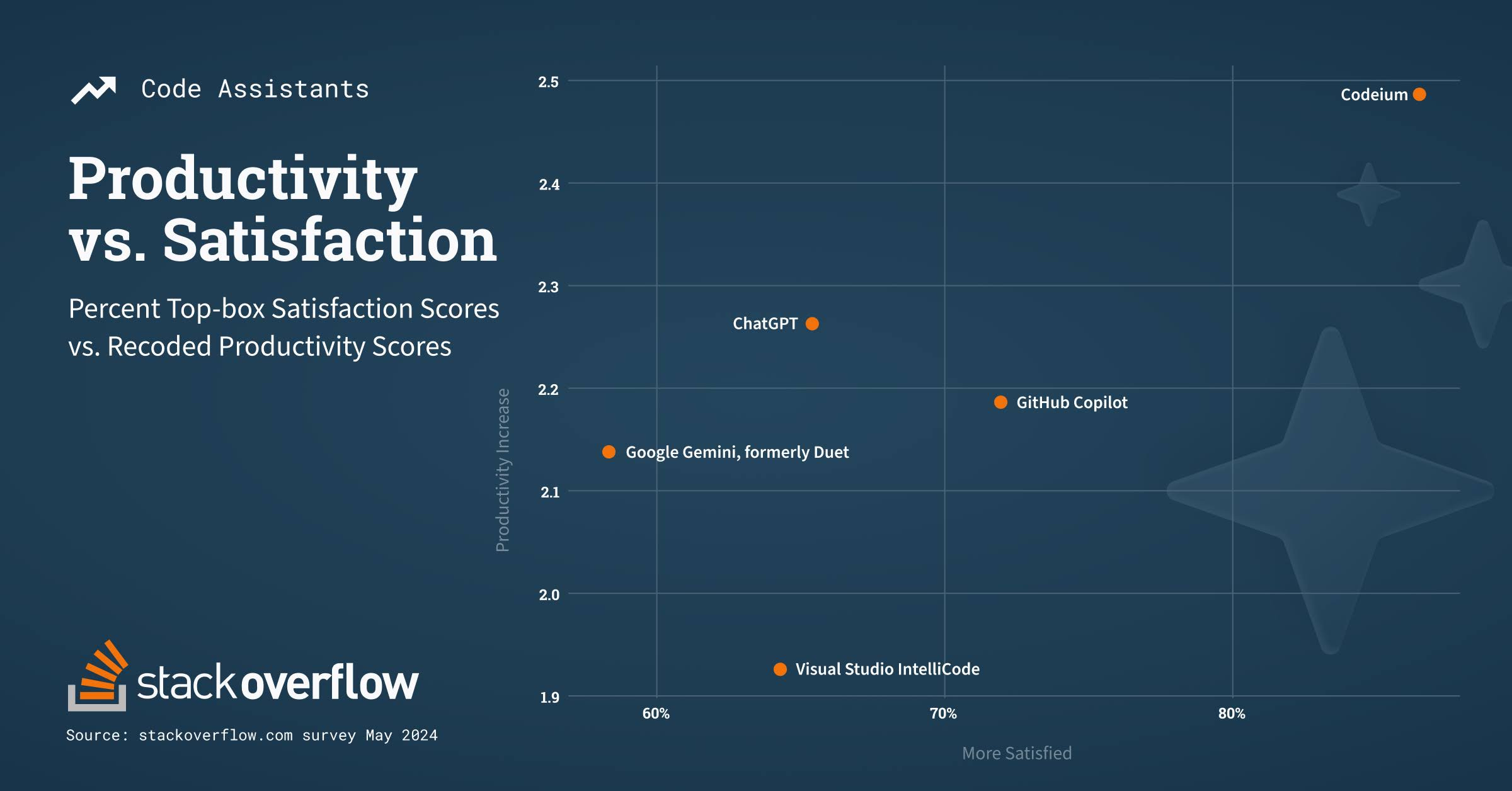
hearing that developers are most satisfied with Codeium among developer tools
watching team usa basketball
odesza concert
designing a hat for a close friend
seeing old friends at figma config
exploring japan
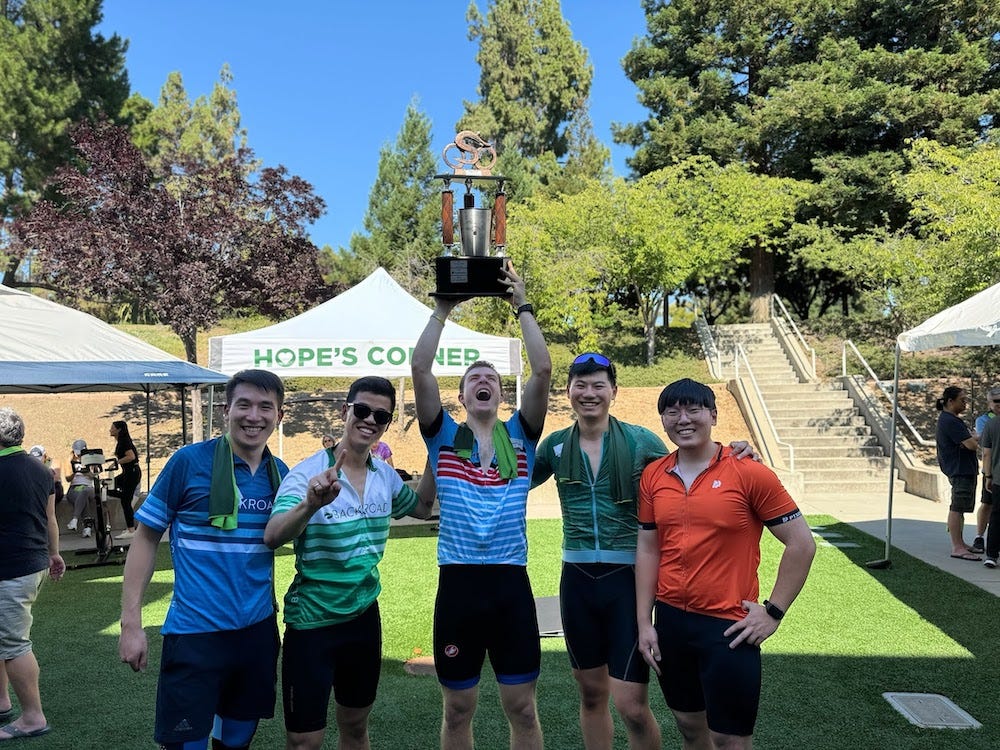
winning a stationary bike race with Codeium